
Track: Hypertension & ECG
“Understanding and Managing High Blood Pressure”
Hypertension, or high blood pressure, is a major risk factor for cardiovascular disease and affects millions of individuals worldwide. This session will provide a comprehensive overview of hypertension, including its pathophysiology, diagnosis, and management strategies. Participants will gain insights into the latest research, clinical guidelines, and practical approaches for effectively managing hypertension and reducing its impact on health.
Key Topics and Highlights:
Pathophysiology of Hypertension: Explore the underlying mechanisms that contribute to high blood pressure, including genetic, environmental, and physiological factors. This segment will cover the role of the renin-angiotensin-aldosterone system, sympathetic nervous system, and vascular resistance in the development of hypertension.
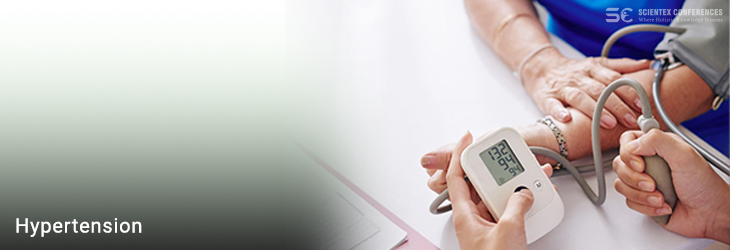
Diagnosis and Assessment: Learn about the latest guidelines and best practices for diagnosing hypertension. Discussions will include accurate measurement techniques, the role of ambulatory blood pressure monitoring, and the importance of assessing target organ damage and cardiovascular risk.
Lifestyle Modifications: Understand the impact of lifestyle changes on blood pressure control. Topics will include dietary recommendations (e.g., the DASH diet), physical activity, weight management, and strategies for reducing alcohol and sodium intake.
Fundamentals of ECG: Review the basic principles of ECG, including the electrical conduction system of the heart, electrode placement, and the generation of the ECG waveform. This segment will cover the interpretation of the standard 12-lead ECG and understanding the different components of the ECG trace (P wave, QRS complex, T wave, and ST segment).
ECG Interpretation Skills: Develop skills in interpreting various ECG rhythms and abnormalities. Topics will include identifying normal vs abnormal rhythms, distinguishing between atrial and ventricular arrhythmias, and recognizing common conditions such as atrial fibrillation, ventricular tachycardia, and heart block.
Diagnostic Use of ECG: Learn how ECG can aid in diagnosing a range of cardiac conditions, including myocardial infarction, ischemia, and pericarditis. This segment will focus on the use of ECG findings in clinical decision-making and the integration of ECG with other diagnostic tools.
Summary:
The "Hypertension & ECG" session aims to provide a thorough understanding of high blood pressure, from its pathophysiology and diagnosis to its management and emerging trends. By covering pharmacological treatments, lifestyle modifications, and special considerations, this session will equip healthcare professionals with the knowledge needed to effectively manage hypertension and improve patient outcomes. Attendees will benefit from practical insights, interactive case studies, and the latest research in the field. Join us to deepen your understanding of hypertension and enhance your approach to managing this critical cardiovascular condition.
Scientific Highlights
- Cardiovascular Diseases
- Interventional Cardiology
- Vascular Biology
- Cardio Oncology
- Nuclear Cardiology
- Cardiovascular Pharmacology
- Cardiac Transplantation
- Paediatric Cardiology
- Diabetic Cardiomyopathy
- Clinical Cardiology
- Hypertension & ECG
- Sports in Cardiology
- Cardiovascular Toxicology
- Clinical Case Reports on Cardiology
- Complications of Heart Illness & Failure
- Heart Disease in Women
- Cardiovascular Surgery
- Cardiac Devices & Diagnosis
- Advances in Cardiovascular Imaging and Current Research in Cardiology
- AI in cardiology
- Impact of PCOS in cardiology

Organization Location
1309 Coffeen Avenue, STE 1200, Sheridan, Wyoming 82801, USA
Mail us at
General Enquiry
contact@scientexconferences.com
Call us at
USA : +1 307 216 5923